

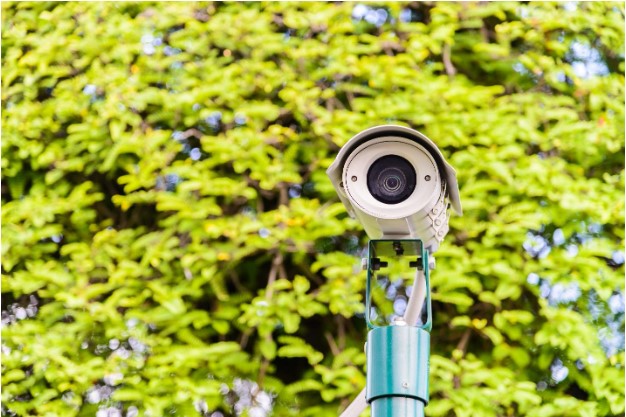
Surveillance cameras have proven to be a viable method of securing homes, businesses, and local areas. They assist in preventing unwanted activity, provide evidence when something goes wrong, and also give a sense of security when you are not around. However, not every camera is equally valuable. You can easily lose focus with a lot of models available in the market and be attracted by the glitzy models, yet fail to fulfill your requirements.
The most important thing about selecting the right surveillance cameras is understanding what matters most to your property and daily use. Whenever you are purchasing your first camera or planning to upgrade to an older system, knowing what you should have will help you make a wiser purchase. In this article, we will discuss the best things to consider when purchasing surveillance cameras.
1. Video Quality and Resolution
The quality of the video must be of high priority. Low-resolution surveillance cameras can be used to monitor movement, but they cannot be useful in providing the details or evidence. Find cameras with a resolution of 1080p or more to have sharp shots.
The increased level of resolution will allow seeing faces, license plates, and small details. Higher quality, however, comes with bigger file sizes, and ensure that your storage space is able to accommodate it.
2. Wired or Wireless
Surveillance cameras are wired, which offers reliable connections and reliability. They are better used in permanent installations and are more difficult to install. Wireless cameras can be built and relocated more easily. They depend on Wi-Fi and a high-speed internet connection. Some of them are battery-driven but require frequent charging.
3. Night Vision
The majority of security breaches occur at night and therefore, night vision is necessary. Night vision in the infrared is also widespread and useful in tracking the darker parts. Other surveillance cameras have color night vision with low-light sensors or built-in lighting. This feature can be considered in case it is important to identify details in the dark.
4. Storage Options
Cameras used in surveillance save data on-site or in the cloud. Local storage utilizes memory cards or a hard disk and does not incur monthly charges, yet storage capacity is minimal. Cloud storage is remote and includes back-ups, but tends to be subscription-based. Choose according to your frequency of watching videos and the importance of remote access you want.
5. Field of View
The field of view identifies the extent of the coverage area of the camera. A greater angle minimizes blind spots and could end up with a smaller number of cameras required. But very wide angles may lead to image distortion.
6. Premium Features
Certain surveillance cameras are also two-way audio, which means that you can hear and talk through the camera. This may be handy in interacting with visitors or scaring away intruders.
Motion detection enables the cameras to capture only when motion is observed. This will conserve storage space and ease the review of footage. Find surveillance cameras that have adjustable motion sensitivity and can be configured to have specific areas of detection.
Look for surveillance cameras that have easy-to-use applications and easy installation guidelines. The mobile access allows you to see live footage, alerts, and recordings wherever you are.

