


Introduction
Starting a company is one of the most rewarding decisions a person can make, but it is also one of the most challenging. A lot of individuals want to be free, make more money, and establish something important, but they don’t know where to start. To learn how to establish a business, you need to be clear, patient, and organized. Guessing won’t help. A business is not built overnight, and success comes from thoughtful planning, steady execution, and the ability to adapt to change. Understanding the process is always the first step in building a small local business or a firm that can grow. This article goes into great depth on all the important steps in starting a business so that readers may move forward with confidence, knowledge, and realistic expectations.
Knowing What a Business Really Is
A business is more than just selling things or giving people services. It is a mechanism that helps a certain group of people with a problem and makes money in a way that lasts. A lot of new business owners make the mistake of simply thinking on earnings and not about what their customers want, how their business works, or their long-term goals. To really learn how to start a business, you need to know that every successful firm balances making money with staying financially stable. Planning, structure, compliance, branding, and ongoing improvement are all important for a business. When these parts function together, they make a strong base that helps people grow and stay strong even when things are hard.
Finding the Right Business Idea
The first practical step is choosing a business idea that aligns with skills, interests, and market demand. An idea doesn’t have to be revolutionary to be strong; it only has to solve a real problem or meet a clear demand. A lot of successful businesses began by making current solutions better instead of coming up with something completely new. The first step in learning how to start a business is to honestly look at your ideas and think about how possible they are, how much competition there is, and who your potential consumers are. An entrepreneur should be willing to work on a concept for years, not just weeks. Passion alone isn’t enough, but it can help you stay motivated when things get tough.
Looking Into the Market and the People you Want to Reach
Market research is important because it turns guesses into smart choices. It means knowing who your customers are, what they want, how much they are willing to pay, and why they choose one option over another. If you don’t do your research before starting a business, you could make mistakes that cost you a lot of money. Market research helps identify gaps, pricing strategies, and customer expectations. It also shows if the market is getting bigger, staying the same, or getting smaller. By looking at how customers act and how the industry is changing, business owners may choose the right place for their business and stay out of areas that won’t support long-term growth.
Table 1: Different Types of Businesses and What They Are Like
| Business Type | Description | Initial Cost Level | Scalability |
|---|---|---|---|
| Service Business | Provides skills or expertise to clients | Low to Medium | Moderate |
| Product Business | Sells physical or digital products | Medium to High | High |
| Online Business | Operates primarily through the internet | Low to Medium | Very High |
| Franchise | Operates under an established brand | High | Moderate |
Making a Clear Business Plan

A company strategy is like a map that helps you make decisions and flourish. It lays its goals, plans, financial forecasts, and specifics about how things will work. People who want to start a business frequently don’t realize how important it is to write a strategy. It helps you see things more clearly and spot hazards early on. A good plan tells you what the firm does, who it serves, how it makes money, and how it will compete. It also helps get investors interested or get money if you need it. Plans may change throughout time, but having one from the start gives you a sense of direction and responsibility.
Picking a Business Name and Brand Identity
The name of a business says a lot about who they are and what they stand for. It should be easy to remember, important, and in line with the people you want to reach. Branding is more than just the name; it also encompasses how things look, how you talk to people, and how people see you as a whole. Branding should be one of the first things you think about when learning how to start a business because it affects how much customers trust and recognize you. A good brand sets a business apart from its competition and makes people feel something. Over time, consistent branding across all platforms creates trust and professionalism.
Knowing How to Register and Understand Legal Structure
Picking the right legal structure is an important stage that has an effect on taxes, liabilities, and compliance needs. There are several options based on where you live, but each structure has its pros and cons. Before starting a business, entrepreneurs must make sure that their company is officially registered and follows all local rules. This process keeps the owner safe and creates trust with customers, suppliers, and banks. Legal clarity also stops disagreements and fines that could get in the way of business.
Managing Finances and Budgeting

Managing money is one of the most critical parts of owning a business. A lot of new businesses fail not because their ideas are bad, but because they don’t plan their money well. Learning how to budget, keep track of your money, and keep track of your expenses are all important parts of starting a business. Having clear financial records makes it easier to make decisions and see how well you’re doing. To keep things clear and under control, business owners should keep their personal and business finances separate. A realistic budget makes sure that the business can run smoothly even when things are slow.
Table 2: The main types of startup costs
| Expense Category | Purpose | Importance Level |
|---|---|---|
| Registration and Legal | Business formation and compliance | High |
| Equipment and Tools | Operations and production | Medium to High |
| Marketing and Branding | Customer acquisition | High |
| Operations and Utilities | Daily functioning | Medium |
Getting Money and Capital
Funding requirements depend on the type and size of the business. Some businesses can start with minimal investment, while others require significant capital. Understanding how to get money for a business, including personal savings, loans, or partnerships, is part of learning how to start one. Financial strategy should include the costs of starting up and running the business until it makes money. Smart funding choices lower stress levels and let business owners focus on growth instead of just getting by.
Getting Operations and Systems Ready
Operations are everything that goes into getting goods or services to customers. This includes things like suppliers, workflows, technology, and how to help customers. People who know how to start a business know that systems that work well save time and cut down on mistakes. As the firm grows, clear processes help keep things the same and of high quality. Operations should be set up to allow scalability so that growth doesn’t cause problems or make things less efficient.
Getting the Word out and Reaching Customers

Marketing links the firm to its customers. It means getting people to see the value, creating awareness, and getting them to get involved. To learn how to start a business, you need to know that marketing is not a one-time thing but something you do all the time. Good marketing plans change based on what customers say and what is happening in the market. Clear value propositions and consistent messaging help bring in and keep customers. Honest communication and dependable service build trust and credibility over time.
Building Customer Relationships and Trust
Long-term success depends on how happy customers are. Companies that put relationships first frequently do better than those who merely care about commerce. To know how to start a business, you need to know how important it is to listen to clients and meet their demands. People who have good experiences will come back and tell their friends about you. Being open, reliable, and high-quality builds trust. Companies that care about their consumers build loyal communities that help them expand even in marketplaces where there is a lot of competition.
Handling Problems and Risks
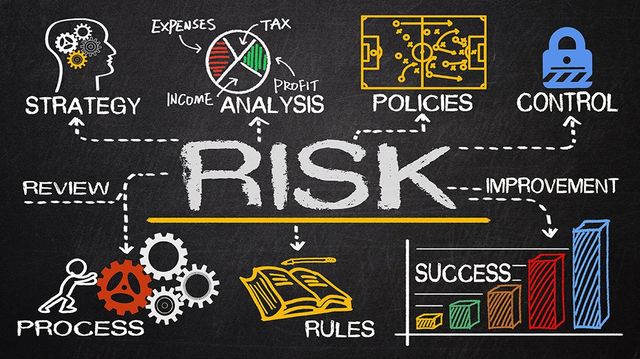
Every business has problems to deal with, such as competition, changes in the economy, and problems with how it runs. Starting a business means knowing that there will be problems along the way. Planning for the unknown and staying flexible are both parts of risk management. Entrepreneurs are more likely to be successful if they can change rapidly and learn from their failures. To get through tough times and keep going, you need to be resilient and able to solve problems.
Growing and Scaling Over Time
Growth should be planned and last. Too much growth too quickly can put a strain on resources, while too little growth too slowly can limit potential. Knowing how to start a business also requires knowing when and how to grow. Some ways to grow a business are to offer more products or services, enter new markets, or make things run more smoothly. To be successful in the long run, you need to keep learning, coming up with new ideas, and making smart decisions.
Keeping Up with the Rules and Doing the Right Thing
To create trust and confidence, you need to follow the rules and be ethical. Businesses have to follow the rules, laws, and standards that apply to their field. To learn how to establish a business, you need to promise to do the right thing and treat your customers, employees, and partners with respect. Customers stay with businesses that are ethical, and businesses that are ethical don’t hurt their reputations. Integrity increases brand value and helps the business last for a long time.
Conclusion: Putting Knowledge to Use
It takes a lot of work, preparation, and determination to start a business. Knowing how to start a business gives you confidence and clarity, but you have to take action to be successful. Every step, from coming up with a concept to growing it, builds on the one before it. Businesses that do well over time are run by entrepreneurs that stay focused, flexible, and put the needs of their customers first. Anyone can convert an idea into a long-lasting and profitable business if they have the appropriate attitude and plan.
Read More:- How to Start a Business Online: Step by Step Digital Guide
