


Types of Fades for Men
Haircuts have evolved immensely over the years, and among the most stylish and versatile options for men are fade haircuts. Fades are not just a haircut; they are a statement. They offer a sharp, clean, and contemporary look while giving flexibility to experiment with different lengths and styles. The beauty of fades lies in the gradual transition from short hair to longer hair, often blending seamlessly into the top of the head. This article explores the most popular types of fades for men their characteristics, and how to choose the perfect fade for your face shape, lifestyle, and personal style. Fades are particularly popular because they combine precision, style, and low maintenance.
1. Low Fade
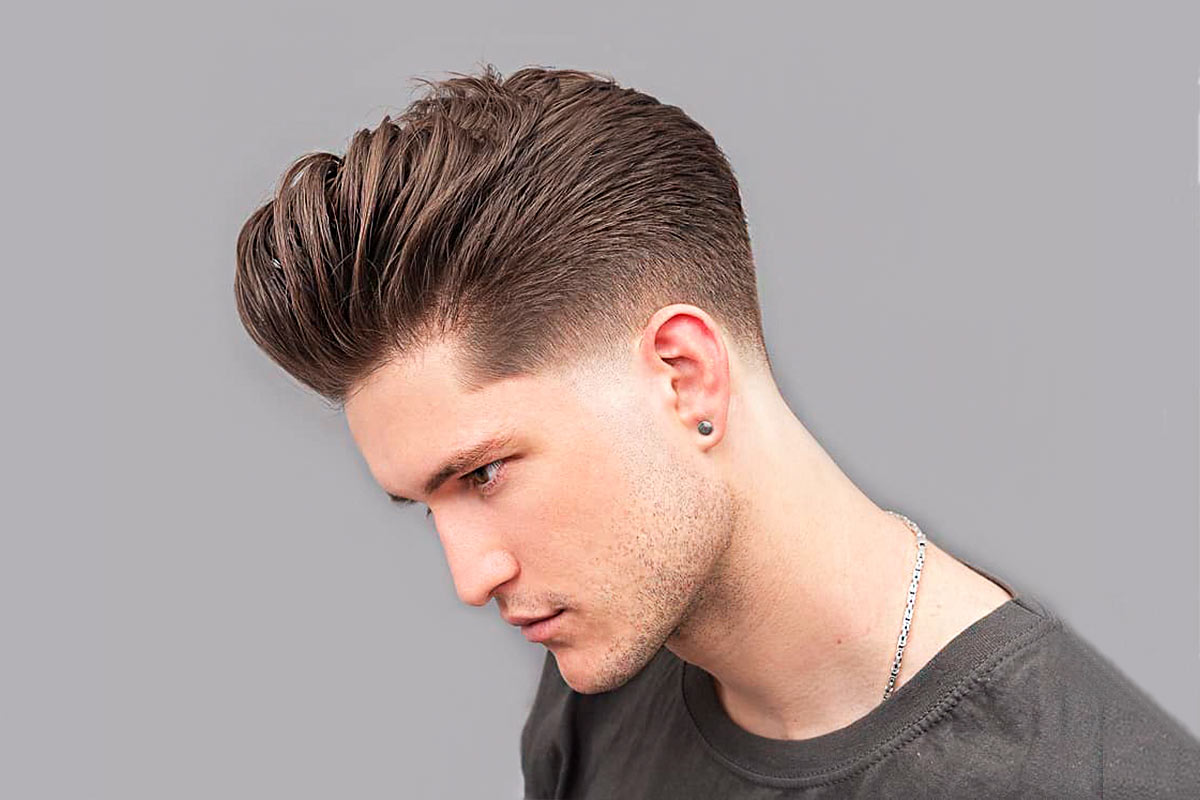
The low fade is subtle and starts just above the ears, gradually tapering down to the neckline. This type of fade is ideal for men who prefer a modest, classic look that is professional and stylish at the same time. It is highly versatile, pairing well with most hairstyles, including comb-overs, quiffs, and curls. The low fade emphasizes the natural hairline and provides a neat appearance without being overly bold. Its understated nature makes it perfect for men in corporate environments or those who prefer a fade that doesn’t dominate the entire hairstyle. Low fades are also easier to maintain, as they do not require frequent trips to the barber to keep the taper precise.
2. Mid Fade

A mid fade is slightly higher than a low fade, starting around the temples or midway up the sides of the head. This type of fade strikes a balance between subtlety and boldness, making it a popular choice for men who want a stylish, noticeable haircut without going extreme. Mid fades work well with both short and medium hairstyles, including pompadours, mohawks, and textured tops. The mid fade highlights facial features, especially cheekbones and jawlines, giving a sharp, modern edge. Its adaptability also allows for creative styling, from slick backs to messy, textured looks. For men who want a trendy, urban style that stands out without being too dramatic, the mid fade is an excellent option.
3. High Fade

The high fade starts above the temples and gradually blends into the longer hair on top. This type of fade creates a more dramatic contrast between the short sides and the longer top, resulting in a bold, contemporary look. High fades are particularly popular among younger men and those looking for edgy, fashion-forward hairstyles. They pair well with styles like spiky tops, faux hawks, and textured crops. High fades can also make facial features more prominent, emphasizing angular jawlines and strong cheekbones. This haircut requires a bit more maintenance to keep the sharp contrast intact, but it is ideal for men who want a striking, confident appearance.
4. Skin Fade

Skin fades, also known as bald fades, involve shaving the hair very close to the skin at the base and gradually blending it into longer hair on top. This creates a striking, clean, and highly defined look. Skin fades can be low, mid, or high, depending on where the fade begins. They are versatile and suitable for nearly all hair types, including straight, curly, and coily textures. Skin fades are popular in urban and hip-hop culture but are also embraced in professional settings when paired with a classic top. Men who choose a skin fade enjoy a sharp, polished appearance that requires frequent touch-ups to maintain the crisp edges.
5. Taper Fade
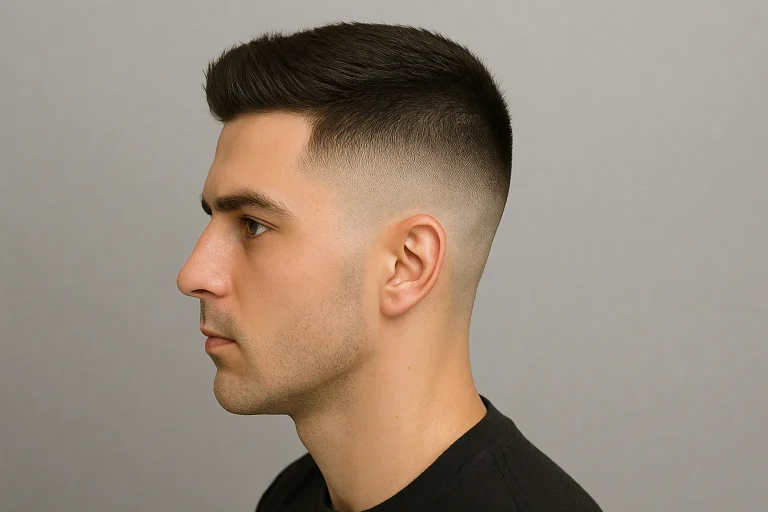
The taper fade is a more conservative fade that gradually reduces hair length toward the neckline and ears, but without shaving down to the skin. This fade is subtle, making it ideal for professional environments and men who prefer a timeless, refined haircut. Taper fades work well with classic hairstyles like side parts, comb-overs, and layered cuts. They offer the benefits of a fade while keeping the sides longer for a less dramatic transition. Taper fades are low maintenance and suitable for men who want a polished, everyday hairstyle that doesn’t require constant barber visits.
6. Drop Fade

The drop fade features a fade that curves downward behind the ears, creating a rounded, “dropping” effect. This style is popular for its unique, modern twist on traditional fades and works best with textured or voluminous hair on top. Drop fades can be low, mid, or high, and they complement creative hairstyles like faux hawks, curly tops, and quiffs. The drop fade adds a dynamic, dimensional look to the haircut and highlights the natural shape of the head. Men who want to stand out and experiment with creative fades often opt for the drop fade, as it offers a visually appealing alternative to conventional fade styles.
7. Burst Fade

The burst fade radiates around the ear, creating a circular fade pattern that emphasizes the crown area. This fade is commonly paired with mohawks or faux hawks, as it naturally highlights the central hairline while keeping the sides short. Burst fades are trendy and stylish, offering a bold statement without being overly extreme. They work well for men who want an edgy, sporty, or artistic look. The burst fade’s unique pattern draws attention to the haircut’s structure, making it ideal for those who want a fade that is both stylish and unconventional.
8. Temple Fade

The temple fade, also called a Brooklyn fade, focuses on the area around the temples and gradually blends downwards. It is subtle yet stylish, offering a clean and contemporary look without a dramatic contrast. Temple fades are popular among men who want a sharp, neat appearance while maintaining longer hair on top. They pair well with a variety of hairstyles, including comb-overs, short crops, and textured waves. This type of fade is low maintenance and perfect for men seeking a versatile haircut that works in both casual and professional settings.
Comparison Table of Popular Fades
| Fade Type | Starting Point | Style Impact | Maintenance Level |
|---|---|---|---|
| Low Fade | Above ears | Subtle, classic | Low |
| Mid Fade | Temples | Balanced, modern | Medium |
| High Fade | Above temples | Bold, edgy | High |
| Skin Fade | Skin level | Sharp, defined | High |
| Taper Fade | Neckline | Refined, professional | Low |
| Drop Fade | Curves behind ears | Unique, dimensional | Medium |
| Burst Fade | Circular around ears | Trendy, bold | Medium |
| Temple Fade | Temples | Clean, versatile | Low |
Choosing the Right Fade
Selecting the perfect fade depends on several factors, including face shape, hair texture, lifestyle, and personal style. Men with round faces may prefer high or mid fades to elongate their facial appearance. Those with square or angular faces can opt for low or taper fades to balance sharp features. Curly and coily hair types often work well with skin fades or drop fades to highlight the texture, while straight hair looks polished with low or mid fades. Additionally, lifestyle and maintenance preferences play a role. Low and taper fades require less upkeep, while high and skin fades demand regular barber visits for a crisp finish. Understanding these factors helps men choose a fade that complements their individuality.
Styling Tips for Fades
Styling a fade depends on the haircut’s type and the top hair length. For short fades, simple styling with pomade or hair wax is sufficient to maintain texture. Mid and high fades can be paired with comb-overs, quiffs, or spiky styles for a bolder look. Skin fades work well with dramatic, voluminous tops, and textured hairstyles add depth to drop and burst fades. Regular maintenance, including washing, trimming, and occasional touch-ups, keeps the fade looking fresh. Men should also consider their personal style, wardrobe, and professional requirements to ensure the fade complements their overall look. Proper styling products enhance shine, volume, and texture while preserving the fade’s clean lines.
Fade Care and Maintenance
Maintaining a fade involves regular visits to a barber, usually every 2-4 weeks, depending on hair growth and fade type. Skin and high fades require more frequent touch-ups to maintain sharp contrast, while low and taper fades can last longer without a trim. Proper hair care, including conditioning and moisturizing, ensures the scalp remains healthy and hair stays strong. Styling products like pomade, wax, or gel help define the haircut, especially for textured or longer top hair. Men should also avoid over-washing to preserve natural oils, and brushing or combing regularly helps maintain shape. With consistent care, fades remain crisp, stylish, and flattering for all occasions.
Second Table: Fade vs Hairstyle Suitability
| Fade Type | Suitable Hair Types | Recommended Hairstyles |
|---|---|---|
| Low Fade | Straight, wavy | Comb-over, textured crop |
| Mid Fade | Straight, wavy | Quiff, pompadour, textured top |
| High Fade | Straight, curly | Faux hawk, spiky, voluminous |
| Skin Fade | All hair types | Mohawk, quiff, edgy styles |
| Taper Fade | Straight, wavy | Side part, classic comb-over |
| Drop Fade | Curly, wavy | Textured crop, faux hawk |
| Burst Fade | Straight, wavy | Mohawk, central voluminous top |
| Temple Fade | Straight, wavy | Short crop, comb-over, waves |
Conclusion
Fades are more than just a haircut; they are a versatile style statement for men of all ages and hair types. From subtle low fades to bold skin fades, each type offers unique aesthetic appeal and adaptability. Choosing the right fade depends on facial structure, lifestyle, hair texture, and personal style. Proper styling and regular maintenance ensure the fade remains fresh and polished. Understanding the different types of fades for men allows you to experiment with looks that range from professional and classic to edgy and modern. With the right fade, you can elevate your hairstyle, express individuality, and maintain a sharp, confident appearance.
Read More:- Mid Fade Black Men Haircut Guide: Styles, Care, and Trends

