

Dubai has it all – futuristic towers reaching the skies, desert expanses that stretch as far as the eye can see, and amazing beaches with shimmering waters that beckon you to dive in. While the city has the means to amaze you, you’ll want to make sure you get the most out of your stay, and what better way to do that than with a rented car? Whether you’re traveling out of the city to see the sand dunes or taking a day trip to Abu Dhabi, having a car will allow you to set your own schedule and chart your own course. But car rental can be confusing, especially if you’re visiting from a foreign country, and it can seem overwhelming if it’s your first time.
So, let’s walk through everything you need to know to successfully rent car options in Dubai as a tourist, from selecting the right car to knowing what insurance to buy and understanding traffic laws.
Step 1: Check Your Eligibility
Before you can rent a car in Dubai, you’ll want to make sure you meet the necessary requirements. Tourists will need to be at least 21 years old (some companies may require drivers to be 25+ for certain car categories) and have:
A valid driving license (If you’re from the US, UK, EU, Australia, or Canada, you can use your national license. Everyone else will need an International Driving Permit in addition to your national license).
A valid passport and a stamp in your passport showing you’ve been allowed to enter the country.
Have your passport, your original driver’s license, and your International Driving Permit if applicable in hand. Police can stop and check you for a license at any time.
Step 2: Select the Right Car for You
Dubai’s roads are great, and most locations are easily accessible by regular car. But the type of car you select will depend on what kind of trip you want to have.
Economy Cars
These are a perfect choice for solo travelers or couples. They are also the cheapest and ideal for city driving.
Sedans and SUVs
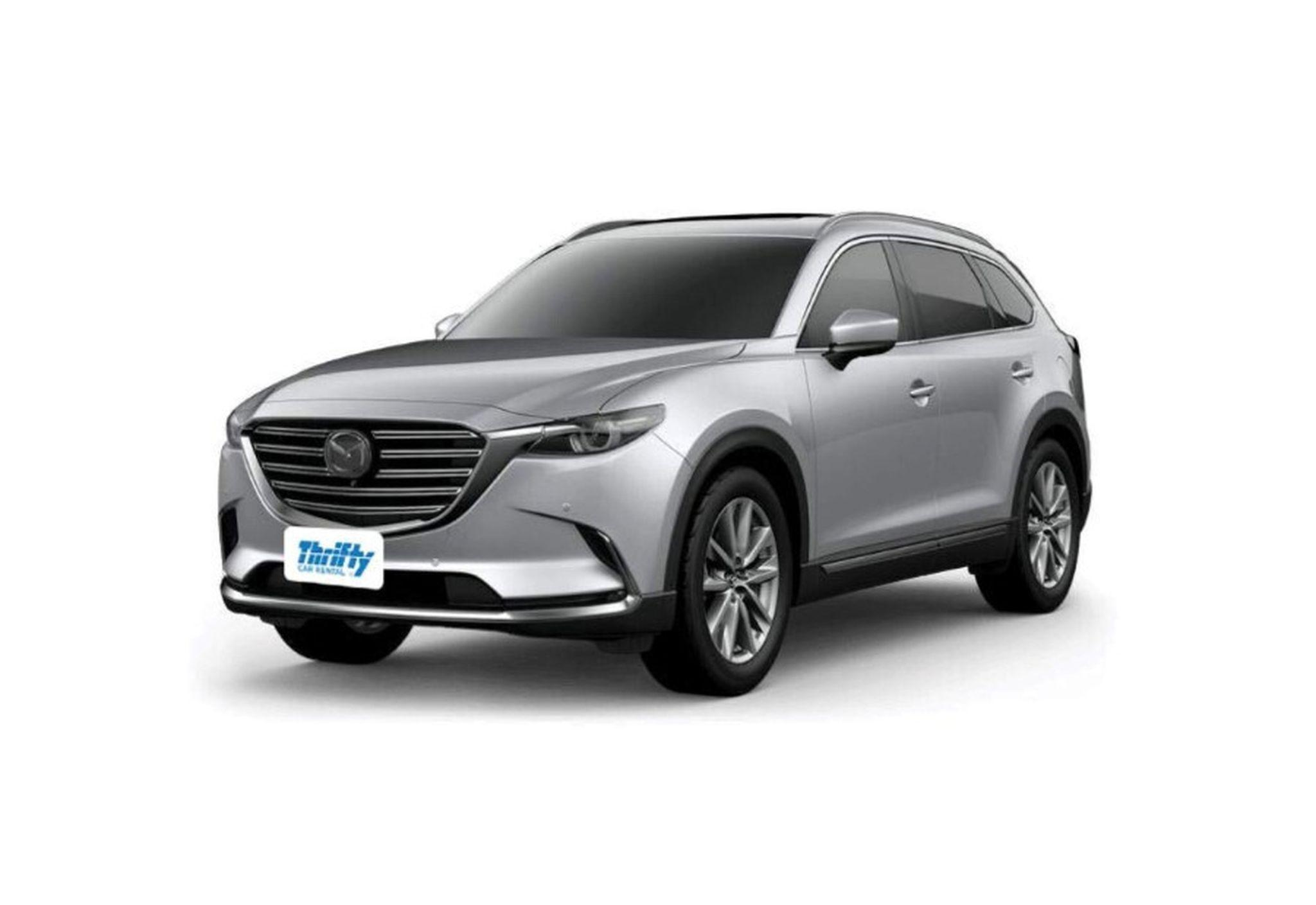
Perfect for small families or groups of people. An SUV is particularly helpful if you plan on venturing out into the desert or exploring beyond the city.
Luxury and Sports Cars
These are available for rent if you want to have a bit more luxury during your trip. Many of these will require a larger security deposit.
Make sure you pay attention to whether the car you’re looking at is automatic or manual. The majority of rentals in Dubai are automatic because it is the preferred method of driving in the city and the heavy traffic it can get.
You’ll find that the rental price will vary depending on the type of car, how long you’re renting it for, and what season it is. Typically, you can expect:
Daily rentals to start around AED 80 (for smaller, less expensive cars) to AED 250+ (for larger and more luxurious vehicles)
Weekly and monthly rentals will give you a better price if you plan on staying longer.
A security deposit, usually anywhere from AED 1,000 to AED 5,000. It is blocked on your credit card.
In addition to the vehicle price, make sure you are paying attention to:
The mileage (Most rentals are capped at 200–300 kilometers per day)
Whether you have to refuel (You will get a full tank and need to return it full or have the same amount you had when you left.)
What comes with the rental? Look out for basic insurance, GPS, child seats, etc.
Make sure there aren’t any hidden charges in the contract, such as VAT, Salik (toll), and late return fees.
Step 4: Have the Required Documents Ready
Once you’ve picked the right car, you’ll want to have the following documents handy:
A copy of your passport with your visa page
Your driver’s license
An International Driving Permit (if needed)
A credit card with your name on it for the security deposit
Hotel booking or other proof of where you’re staying
Scan or take a photo of these documents ahead of time to make the process quicker.
Step 5: Know Your Insurance Options
All rentals come with insurance, and basic insurance (Third-Party Liability) is usually included. If you want a little more peace of mind when you’re in a foreign city, you may want to upgrade to Comprehensive Insurance.
Coverage options you can consider include:
Collision Damage Waiver (CDW) – covers the damage to the car
Theft Protection – protects the car if it is stolen
Personal Accident Insurance – covers medical expenses if you’re injured
Read the fine print. Not all damage may be covered, especially if it occurs outside of the road or if you are drunk or high.
Step 6: Inspect the Car
Before you leave, make sure to check the car over yourself and take pictures or videos of it. Make sure to pay attention to:
Scratches, dents, and cracks in the windshield
Tires and a spare tire
The fuel level
Make sure the rental agency takes note of the condition of the car when you leave. This will help if there is a dispute over returning the car.
Make sure you ask about the rental agency’s emergency contact information if the car breaks down or there’s an accident.
Step 7: Know the Traffic Laws in Dubai
Dubai’s roads are generally easy to drive, but traffic laws are strict. Here are a few of the rules you’ll need to know:
Drive on the right side of the road
Seat belts are required for everyone in the car
Don’t use your phone while driving, unless you’re using a hands-free device
Speed limits vary from 60 km/h in the city to 120 km/h on highways
Zero tolerance for drinking and driving
Be careful when changing lanes, use your indicators, check your mirrors, and be mindful of fast drivers in the leftmost lane.
Step 8: Salik and Parking
Salik System
Salik is Dubai’s electronic toll system. Every time you go under a Salik gate, a charge is taken off of your car and applied to your account.
This typically costs AED 4 per pass and will be taken out of your security deposit later or added to your bill.
Parking
There are free and paid parking zones in Dubai. Paid parking is regulated by the Roads and Transport Authority (RTA). You can pay for parking through:
RTA app
SMS
Parking meters
Don’t park in “No Parking” areas. Fines are steep, and your car may be towed.
Step 9: Refuel and Fuel Policy
Fuel is cheap in the UAE, and most stations accept both cash and cards. However, you’ll want to make sure to check what the fuel policy is:
Full-to-Full (The most common option. You will be given a full tank and are expected to return it that way)
Same-to-Same (You will be expected to return the same amount of fuel that you had when you left)
If you don’t refuel, the agency may charge you for the gas at a much higher rate than it would be in the store.
Step 10: Return the Car
Once it’s time to give the car back:
Fill the tank with gas if required
Clear the car of your personal items
Check with a staff member to make sure it’s in the same condition as when you left
Ask for an invoice showing you what charges have been added
Your security deposit may take 14–30 days to be released. If you have any outstanding fines or tolls, it may take longer.
Be on time. If you’re late by even one minute, you may be charged hourly or a full day’s rental fee.
Optional Step: Consider an Extension
If you want to stay in Dubai longer and need the car, you can:
Contact the rental company
Check if there’s a better weekly or monthly price
Double check the terms of the new contract in writing or by email
Late returns may be possible, but make sure to extend as soon as possible if you want to.
Common Mistakes to Avoid
Not reading the contract: Go over all the terms before signing
Not understanding your insurance: Basic insurance is not enough
Driving a dirty car: Some agencies charge a cleaning fee
Using someone else’s credit card: The main driver must be the cardholder
A few minutes after your return date could mean being charged
Exploring Outside of Dubai
With your own rental car, you can take trips to:
Abu Dhabi (The Sheikh Zayed Grand Mosque and Yas Island)
Al Ain (A UNESCO World Heritage site with stunning oases and mountains)
Sharjah and Ajman (Visit the souks, museums, and enjoy the coast)
Make sure your rental contract allows you to go between emirates.
Final Thoughts
Renting a car in Dubai will enhance your trip from good to great. With the state-of-the-art highways, clear signage, and plenty of places to park, the city is designed with drivers in mind. Perhaps more importantly, having a rental gives you the freedom to explore beyond the city and enjoy what Dubai has to offer at your own pace.
From the first time you drive down Sheikh Zayed Road to the last time you refuel at a remote gas station, renting a car in Dubai is a journey worth taking.
