

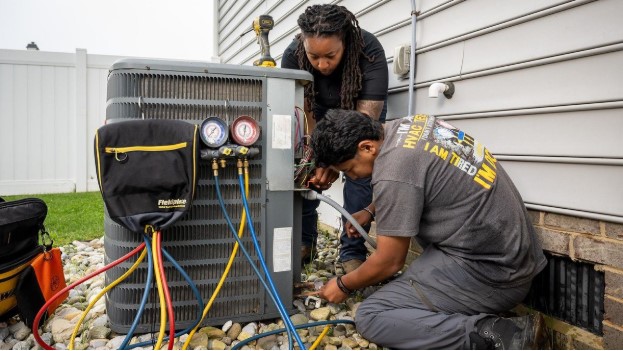
Preventive maintenance planning is the backbone of stable HVAC performance. Systems that run daily face constant stress. Dust builds up. Components wear out. Efficiency drops over time. A structured plan keeps everything under control. It reduces breakdowns and extends system life. It also stabilizes energy consumption, which matters for long-term cost savings.
Foundation Of Preventive Maintenance Planning
Every HVAC system needs a baseline. This includes inspection schedules, service intervals, and performance benchmarks. Small checks done regularly prevent major failures later. Filters, coils, and electrical connections require attention. Ignoring them leads to inefficiency and uneven cooling. A well-documented plan ensures consistency and accountability across maintenance cycles.
AC Installation Standards For Reliable Performance
Proper ac installation refers to the correct setup of cooling systems, including sizing, placement, and connection of components. It is the first step toward long-term stability. Poor installation creates airflow issues and energy waste. Even the best equipment fails early if installed incorrectly. Maintenance planning must align with installation standards. This ensures the system operates within designed parameters. In simple terms, preventive care begins the moment ac installation is completed.
Commercial Air Conditioning Installations And System Longevity
Commercial air conditioning installations involve large-scale systems designed for offices, malls, and industrial spaces. These setups are more complex and demand precise engineering. They include duct networks, chillers, and control systems. Maintenance planning here must be detailed and frequent. High usage increases wear and tear. Regular monitoring avoids costly downtime. Stability in such environments depends heavily on disciplined servicing after commercial air conditioning installations.
Maintenance Scheduling After AC Installation Completion
Once installation is complete, a maintenance timeline must begin immediately. Early inspections catch installation flaws. Technicians verify airflow, refrigerant levels, and thermostat calibration. Minor adjustments at this stage improve long-term output. Delayed maintenance often leads to hidden inefficiencies. A structured schedule ensures the system performs as expected after ac installation and prevents gradual decline.
Performance Monitoring In Commercial Air Conditioning Installations
Monitoring is essential for large systems. Sensors and smart controls track temperature, pressure, and energy use. Data helps identify performance drops early. This allows quick corrective action. Without monitoring, issues grow unnoticed. Maintenance teams can optimize servicing intervals using real-time data. This approach enhances reliability and keeps commercial air conditioning installations operating at peak efficiency.
Energy Efficiency Through Preventive Strategies
Energy efficiency is a direct outcome of good maintenance. Clean filters improve airflow. Proper lubrication reduces friction in moving parts. Balanced refrigerant levels ensure optimal cooling. Each small action contributes to lower energy bills. Preventive strategies also reduce carbon footprint. Businesses benefit from both cost savings and sustainability. Over time, consistent care delivers measurable performance stability.
Risk Reduction And Cost Control Measures
Unexpected failures are expensive. They disrupt operations and require emergency repairs. Preventive maintenance minimizes such risks. Planned servicing is always cheaper than reactive fixes. It also extends equipment lifespan. Replacement costs are delayed significantly. Budget planning becomes easier with predictable maintenance expenses. Stability is not just technical; it is financial as well.
Conclusion
Preventive maintenance planning is not optional. It is a strategic necessity for HVAC stability. From initial setup to ongoing monitoring, every step matters. Proper installation sets the foundation. Regular servicing sustains performance. Systems that receive consistent care last longer and perform better. In both residential and commercial settings, disciplined maintenance ensures reliable cooling for years.
