


Introduction
The digital economy has changed the way people earn, trade, and build wealth across the world. Today, learning how to start a business online is no longer limited to technology experts or large corporations. Anyone with internet access, basic skills, and a clear plan can create a profitable online venture. Online businesses offer flexibility, low startup costs, global reach, and scalability that traditional businesses often struggle to match. From selling digital products to offering professional services or launching e-commerce stores, opportunities are expanding every year.
Understanding how to start a business online requires more than enthusiasm. It demands research, planning, discipline, and a willingness to adapt. Many beginners fail not because their idea is weak, but because they lack structure and realistic expectations. This article explains each stage of the journey in depth, helping readers move from idea generation to sustainable growth. By the end, you will understand the complete framework needed to build an online business that lasts and grows over time.
Understanding What an Online Business Really Is

An online business is any commercial activity that operates primarily through the internet. This includes selling products, offering services, creating digital assets, or monetizing content. Unlike physical businesses, online ventures rely heavily on digital platforms, online marketing, and virtual customer interactions. Understanding this concept is essential when learning how to start a business online because it changes how value is created and delivered.
Online businesses can be run from anywhere, allowing entrepreneurs to reduce overhead costs such as rent and utilities. However, they require investment in digital tools, branding, marketing, and customer experience. Trust plays a major role, since customers cannot physically see or touch products before purchasing. This makes reputation, transparency, and consistency critical success factors. Recognizing these characteristics helps aspiring entrepreneurs prepare mentally and strategically before entering the online marketplace.
Choosing the Right Online Business Idea
Selecting the right idea is one of the most important steps when learning how to start a business online. A strong idea sits at the intersection of personal interest, market demand, and profitability. Passion alone is not enough, and neither is chasing trends without understanding the audience. Successful online businesses solve specific problems or fulfill clear needs for a targeted group of people.
Researching customer behavior, search trends, and existing competitors helps validate an idea before investing time and money. Many beginners make the mistake of copying others without adding value or differentiation. A better approach is identifying gaps in existing markets or improving current solutions. The idea does not need to be revolutionary, but it must be relevant and sustainable. Taking time at this stage reduces risk and increases the likelihood of long-term success.
Market Research and Audience Analysis
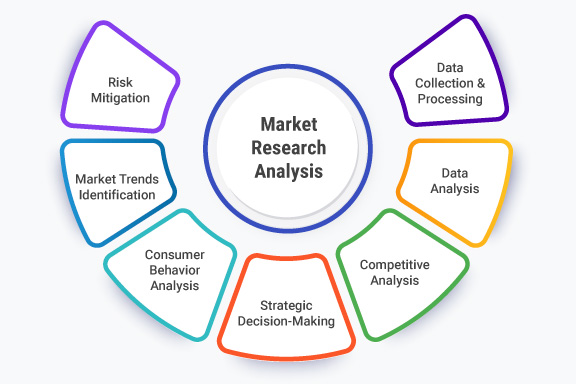
Market research provides clarity about who your customers are, what they want, and how much they are willing to pay. Understanding your audience is fundamental when learning how to start a business online because online markets are highly competitive. Without proper research, marketing efforts become unfocused and ineffective.
Audience analysis involves studying demographics, interests, purchasing behavior, and online habits. It also includes identifying pain points and motivations. When entrepreneurs understand their audience deeply, they can create offers, messaging, and content that resonate. Market research also reveals competitors, pricing models, and common mistakes to avoid. This knowledge allows new businesses to position themselves strategically instead of guessing. Strong research forms the foundation for branding, marketing, and product development.
Creating a Business Plan for Online Success
A business plan provides direction and structure. While online businesses are flexible, they still require planning to succeed. Learning how to start a business online becomes easier when goals, strategies, and resources are clearly defined. A business plan outlines your value proposition, target audience, revenue model, and growth strategy.
This document does not need to be complex, but it should be realistic. It helps entrepreneurs track progress, make informed decisions, and adjust strategies when needed. A business plan also clarifies financial expectations, including startup costs and projected income. Online businesses evolve quickly, so the plan should be reviewed and updated regularly. Treating an online business professionally from the start increases credibility and discipline.
Legal Structure and Compliance for Online Businesses
Understanding legal requirements is an often overlooked but essential part of how to start a business online. Even digital businesses must comply with local laws related to registration, taxation, and consumer protection. Choosing the right legal structure affects liability, taxes, and scalability.
Online businesses may need licenses, business registration, and tax identification depending on location and business type. Privacy policies and terms of service are also important, especially when handling customer data. Ignoring legal compliance can result in penalties and loss of trust. Addressing these aspects early provides peace of mind and allows entrepreneurs to focus on growth without legal risks interfering later.
Branding and Positioning in the Digital Space
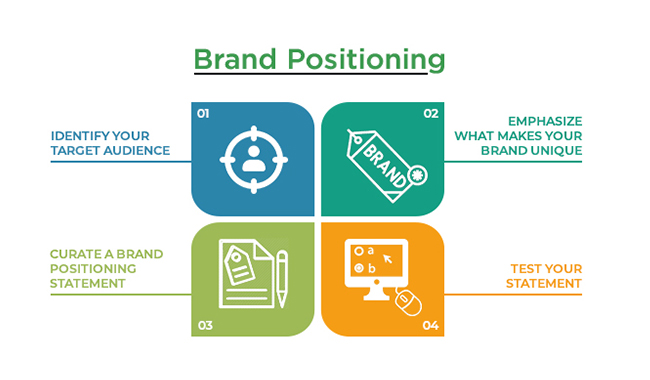
Branding is how customers perceive and remember your business. Strong branding builds trust and loyalty, which is vital when learning how to start a business online. Unlike physical stores, online businesses rely heavily on visual identity, tone, and messaging to create emotional connections.
A clear brand includes a business name, visual style, voice, and core values. Positioning defines how your business differs from competitors and why customers should choose you. Consistent branding across websites, social media, and communication channels strengthens recognition. In crowded online markets, a clear and authentic brand helps businesses stand out and attract the right audience.
Building a Website and Online Presence
A website serves as the digital headquarters of an online business. Learning how to start a business online includes understanding how to create a professional, user-friendly website. The website should clearly explain what you offer, who it is for, and how customers can take action.
Design, navigation, and content all influence user experience. A slow or confusing website can drive visitors away, regardless of how good the product is. Mobile optimization is critical since many users browse and shop on smartphones. Beyond the website, online presence includes social media profiles and digital platforms that support visibility and engagement. A strong online presence increases credibility and makes it easier for customers to find and trust your business.
Table 1: Common Online Business Models
| Business Model | Description | Income Potential | Skill Requirement |
|---|---|---|---|
| E-commerce Store | Selling physical or digital products online | Medium to High | Medium |
| Service-Based Business | Offering skills or expertise remotely | Medium | High |
| Digital Products | Selling courses, ebooks, or tools | High | Medium |
| Content Monetization | Earning through content and audience | Variable | High |
Setting Up Payment and Pricing Systems

Pricing determines profitability and perceived value. Learning how to start a business online requires understanding how to price products or services appropriately. Pricing too low can damage credibility, while pricing too high can reduce conversions. Researching competitors and understanding customer willingness to pay helps find the right balance.
Payment systems must be secure, simple, and reliable. Customers expect smooth checkout experiences, and any friction can lead to abandoned transactions. Clear pricing structures, transparent policies, and multiple payment options improve trust. Managing payments efficiently also simplifies accounting and financial tracking, allowing business owners to focus on growth rather than administrative issues.
Marketing Strategies for Online Businesses
Marketing drives traffic, visibility, and sales. Knowing how to start a business online means understanding digital marketing fundamentals. Online marketing includes content creation, search optimization, email communication, and social engagement. Consistency and value are more important than aggressive promotion.
Effective marketing focuses on building relationships rather than pushing sales. Providing useful information and solving problems establishes authority and trust. Over time, this approach creates loyal customers who promote the business organically. Marketing strategies should be tested and refined regularly based on performance data. Online marketing is dynamic, and adaptability is essential for sustained success.
Content Creation and Value Building
Content is a powerful tool for attracting and educating customers. Learning how to start a business online involves understanding how content builds credibility and engagement. Content can take many forms, including articles, videos, and social updates, all aimed at providing value.
High-quality content answers questions, addresses pain points, and positions the business as a reliable source of information. It also supports long-term growth by improving visibility and trust. Consistency matters more than perfection. Businesses that focus on genuine value rather than short-term promotion tend to grow stronger and more resilient over time.
Customer Support and Relationship Management

Customer relationships determine the long-term health of an online business. When learning how to start a business online, many focus on sales but overlook support. Responsive and respectful customer service builds loyalty and positive reputation.
Online customers expect timely responses and clear communication. Handling feedback professionally, including complaints, demonstrates reliability. Strong customer relationships increase repeat purchases and referrals. Retaining existing customers is often more cost-effective than acquiring new ones. Businesses that prioritize customer experience gain a competitive advantage in crowded digital markets.
Table 2: Essential Tools for Online Business
| Tool Category | Purpose | Business Impact |
|---|---|---|
| Website Platform | Hosting and presenting business online | High |
| Payment System | Processing customer transactions | High |
| Marketing Tools | Promoting products and services | Medium |
| Analytics Tools | Tracking performance and growth | Medium |
Scaling and Long-Term Growth Strategies
Growth is a gradual process that requires patience and strategy. Understanding how to start a business online includes planning for scalability from the beginning. Scaling involves increasing revenue without proportionally increasing costs. This can be achieved through automation, outsourcing, and expanding product offerings.
Data analysis plays a major role in scaling decisions. Monitoring performance metrics helps identify what works and what needs improvement. Sustainable growth focuses on quality, consistency, and customer satisfaction rather than rapid expansion. Businesses that scale responsibly are better equipped to handle challenges and market changes.
Common Mistakes to Avoid

Many beginners fail due to unrealistic expectations and lack of persistence. Learning how to start a business online requires accepting that results take time. Chasing quick profits, ignoring customer needs, and neglecting branding are common mistakes.
Another frequent error is spreading efforts too thin across multiple platforms without mastering one. Focus and consistency lead to better outcomes. Learning from mistakes and adapting strategies is part of the entrepreneurial journey. Avoiding shortcuts and building strong foundations increases the likelihood of long-term success.
Conclusion
Learning how to start a business online is a journey that combines creativity, strategy, and discipline. Online businesses offer unmatched opportunities, but success depends on thoughtful planning and consistent execution. From choosing the right idea to building a brand, marketing effectively, and scaling sustainably, each step plays a crucial role.
By understanding your audience, providing genuine value, and maintaining professionalism, you can create an online business that grows over time. The digital world rewards patience, adaptability, and authenticity. With the right mindset and structured approach, anyone can build a profitable and meaningful online business in today’s connected economy.
Read More:- How to Start a Business in Texas: Complete Step-by-Step Guide
