


Introduction
People moving around has changed societies for hundreds of years, affecting economies, cultures, and political systems. Globalization, violence, climate change, and economic inequality have all made it easier for people to move across borders in the modern world. Governments must find a way to deal with these movements while still respecting the rights of people and the interests of the country. People talk about immigration reform a lot because it means trying to change the law so that it better reflects how things are now instead of how they used to be. Not only policymakers are interested in this topic; so are employers, families, and communities whose lives are directly touched by migration regulations. To understand this topic, you need to look closely at historical trends, economic effects, legal principles, and social effects. You can’t just boil the discussion down to slogans or simple conclusions.
Explaining Immigration Policy and Its Main Goals

Immigration policy is the set of rules and procedures that decide who can enter, live in, work in, or become a citizen of a country. These regulations spell out who can come in, how to enforce them, and what rights newcomers have. In this case, immigration reform means looking at and changing these kinds of rules to make them more efficient, equitable, and in line with national goals. When systems get too busy, don’t work well together, or don’t meet the needs of the job market, governments typically want to make changes. A clear definition is important because public debates often mix up border security, refugee protection, and labor migration, even though each of these areas has its own role in the larger policy framework.
The History of Migration Laws
Rules about migration have never been set in stone. In the past, communities used informal norms to control migration. Today, states have passports, visas, and citizenship rules. The rise of industry in the 1800s and 1900s made people move more quickly and made governments set up quotas and screening processes. Wars and the end of colonialism changed the way people moved throughout the world, which led to international agreements on refugees and asylum seekers. Historically, immigration reform has arisen during periods of demographic shifts or economic transitions, such as postwar reconstruction or eras of fast technological advancement. By examining these historical trends, it is evident that reform initiatives are not isolated occurrences but rather persistent reactions to evolving social and economic circumstances.
Economic Aspects of Migration Systems

Economic factors are very important in deciding how to deal with migration. When there aren’t enough workers in agriculture, healthcare, or technology, governments generally let foreign workers in. But when the economy is bad, they may take steps to keep them out. Studies from numerous countries suggest that immigrants help with productivity, innovation, and demand from consumers. At the same time, politicians need to deal with worries about wage competition and the ability of public services to handle more people. People often suggest immigration reform as a method to update visa categories, cut down on backlogs, and better match workers’ abilities with what the market requires. A balanced economic analysis looks at both the good and the bad, and it stresses making decisions based on facts instead than guesses.
Social and Cultural Effects
Migration changes more than just economic metrics; it also changes social ties and cultural identities. Newcomers bring languages, customs, and ways of thinking that can make host communities better, but they also need to be understood and adapted to. Local governments, schools, and healthcare providers are often the first to respond to changes in population. Discussions about immigration reform are increasingly including policies that promote language learning, civic participation, and fair access to opportunities. For social cohesion to work, institutions need to be able to handle diversity and fight discrimination. This means that cultural issues are an important part of any policy update.
Legal and Institutional Structures
There are constitutional principles, statutory law, and administrative rules that make up the legal framework for migration. Courts have a big job to do when it comes to making sure that these rules are in line with basic rights. Making immigration laws easier to understand, making sure that due process is followed, and making sure that enforcement is clear are all common goals of immigration reform. Administrative capacity is just as vital. Even well-written laws might fail if the agencies that enforce them don’t have enough staff or use old technology. Effective reform acknowledges the interdependence of legal clarity and institutional competency, necessitating coordinated modifications rather than singular revisions.
Ethical and Humanitarian Concerns

Migration involves moral problems regarding how to treat vulnerable groups, in addition to economic and legal ones. Refugees escaping conflict or persecution depend on international protection mechanisms that reconcile sovereignty with humanitarian duties. Discussions about immigration reform often focus on how to handle asylum claims quickly and fairly while stopping people from taking advantage of the system. Ethical analysis focuses on the worth of people and the moral consequences of policy decisions. Countries can still control their own borders, but they are still members of a global community where human rights values affect decisions made in their own countries.
Comparative Policy Approaches in Different Areas
Different parts of the world handle migration in different ways. Some people put more value on points-based systems that look at education and abilities, while others put more value on family reunification or humanitarian entry. These models are based on past events, the demands of different groups of people, and the political cultures of different countries. Immigration reform can learn from looking at other systems without imitating them completely. Policymakers may find best practices and possible problems by understanding how different frameworks work. This shows how important it is to base decisions on evidence.
Table 1: General Types of Migration Policy
| Policy Model | Primary Objective | Typical Features |
|---|---|---|
| Skills-Oriented | Economic competitiveness | Assessment of education and work experience |
| Family-Based | Social stability | Emphasis on reunification of relatives |
| Humanitarian | Protection of vulnerable groups | Asylum and refugee status determination |
| Temporary Labor | Short-term workforce needs | Time-limited work permits |
Long-Term Planning with Changes in Demographics
Changes in demographics have a big effect on migration policy. In many industrialized countries, the population is getting older, which means there is a need for younger labor. In other places, high birth rates are causing people to move to other countries. Urbanization and displacement caused by climate change make things even more complicated. People often talk about immigration reform as a way to deal with these long-term patterns and make sure that the population keeps growing and the economy stays stable. To plan for the future, you need reliable demographic data and reasonable estimates. Instead of strict quotas, you should focus on being flexible.
Modern Systems’ Technology and Administration
Improvements in digital technology give us new ways to handle migration better. Biometric identity, online applications, and data sharing can all make things work better and be more open. But using technology also makes people worry about privacy and access. More and more, immigration reform plans call for updating administrative systems to cut down on mistakes and processing times. For successful implementation, it is important to teach staff and keep the public’s trust by making sure there are explicit protections and accountability procedures.
Public Opinion and the Way Politics Works
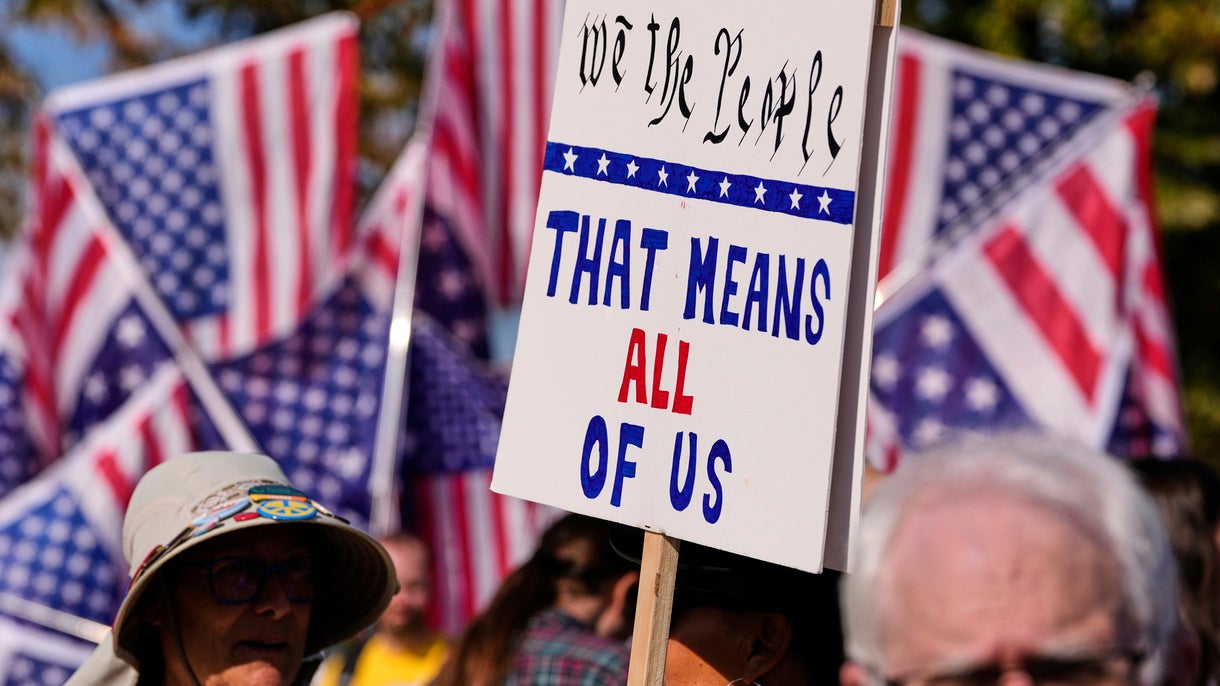
Public opinions and political incentives shape migration policy; it does not exist in a vacuum. How societies see newcomers is affected by the news, the economy, and cultural stories. Proposals for immigration reform often get quite different replies, which shows how people feel about national identity and globalization in general. To make policies that work and are accepted by the public, you need to understand these dynamics. Open communication and conversations that include everyone can help bring people together and encourage smart discussion.
How to Measure Policy Outcomes
To judge migration policies, you need specific measures and a long-term look at them. Results may encompass labor market performance, budgetary implications, integration metrics, and humanitarian safeguards. Immigration reform should include ways to regularly check and change the rules, since no policy stays the best forever. Evidence-based appraisal promotes gradual enhancement and diminishes dependence on ideological presuppositions.
Table 2: Typical Metrics Employed in Migration Policy Assessment
| Indicator Category | Measurement Focus | Policy Relevance |
|---|---|---|
| Economic | Employment and productivity | Workforce planning |
| Social | Education and integration | Community cohesion |
| Legal | Processing times | Administrative efficiency |
| Humanitarian | Protection outcomes | Compliance with obligations |
Working Together and Running the World
Because migration crosses national borders, countries must work together to stop it. Bilateral agreements, regional frameworks, and global compacts make it easier to share information and work together to solve problems. Immigration reform at the national level frequently intersects with these overarching frameworks, necessitating coherence between domestic objectives and international obligations. Working together can lower the number of people who move illegally and raise the level of protection, showing that working together to solve problems is better than working alone.
New Problems and Future Directions
Climate change, technological upheaval, and geopolitical volatility will all put significant pressure on migration systems in the future. To be ready for these problems, policies need to be adaptable and people need to keep learning. Immigration reform is likely to be a continuing process rather than a one-time occurrence because the way people move around is always changing. To get ready for the unknown, you need to spend money on research, building up your organization’s capabilities, and creating governance systems that include everyone.
Conclusion
Migration has always been a big part of human history, changing civilizations in complicated and long-lasting ways. Current discussions show that we need rules that are fair, work well, and can change when they need to. Immigration reform provides a framework for reevaluating current arrangements in the context of economic realities, legal principles, and ethical issues. By looking at history, different methods, and measurable results, stakeholders may have educated discussions based on facts instead of rhetoric. A thorough comprehension of this topic facilitates equitable decision-making that acknowledges both national interests and collective human obligations.
Read More:- Skin Fade Black Men: Complete Guide to Style, Care, and Trends

