


Introduction
The phrase shackles the original Statue of Liberty with chains carries a powerful emotional and historical weight that immediately provokes thought. The Statue of Liberty is globally recognized as a symbol of freedom, hope, and human dignity. Yet few people pause to reflect on the lesser-known detail that the statue was originally designed with broken chains and shackles at her feet. This detail transforms the monument from a simple welcoming figure into a deeply symbolic statement about liberation from oppression. Understanding shackles the original Statue of Liberty with chains requires examining history, artistic intention, and cultural interpretation across generations. The chains are not a contradiction to freedom but a declaration of victory over bondage. This article explores the origins, meanings, and evolving interpretations of this powerful symbol, offering a detailed explanation of why chains remain essential to understanding the statue’s true message.
Historical Background of the Statue of Liberty

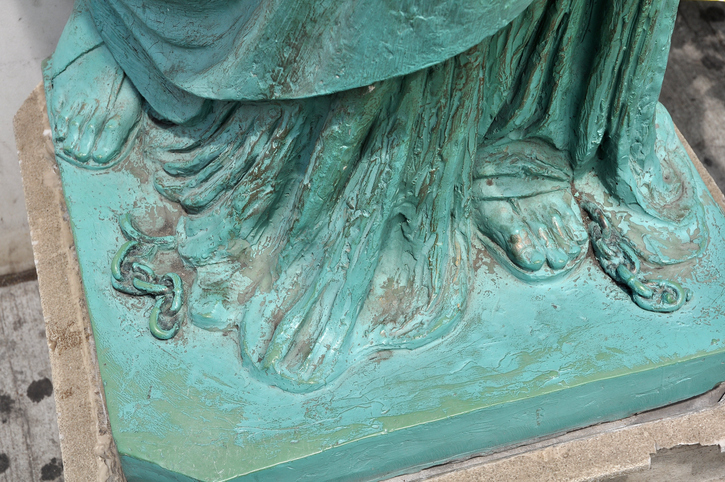
The Statue of Liberty was conceived in the late nineteenth century during a time of immense political change and social struggle. France gifted the statue to the United States as a celebration of republican ideals and shared democratic values. The era was marked by the aftermath of slavery, revolutions in Europe, and the global conversation about human rights. Within this context, shackles the original Statue of Liberty with chains became an intentional design choice rather than an afterthought. Sculptor Frédéric Auguste Bartholdi sought to communicate emancipation and the triumph of liberty over tyranny. The chains at the statue’s feet were meant to represent the breaking away from oppression, especially in light of the recent abolition of slavery in the United States. This historical grounding makes the chains an essential component of the statue’s narrative rather than a hidden or accidental detail.
Artistic Vision Behind the Chains
Bartholdi’s artistic vision was shaped by political ideals, classical symbolism, and moral philosophy. The use of shackles was deliberate, rooted in classical art traditions where broken chains symbolize liberation. In shackles the original Statue of Liberty with chains, the sculptor chose not to place the chains prominently in the hands or upper body but subtly beneath the robe. This placement reinforces the idea that freedom has already been achieved, not merely promised. The statue strides forward, leaving the chains behind, suggesting progress rather than struggle. This artistic choice allows the statue to communicate its message quietly but powerfully. The chains do not dominate the figure but enhance its meaning, reminding viewers that liberty is the result of overcoming injustice, not an abstract concept disconnected from human suffering.
Symbolism of Shackles in Political Art
Throughout history, shackles have been a recurring symbol in political and revolutionary art. They represent enslavement, oppression, and enforced silence. When broken, they signify resistance, emancipation, and transformation. In the case of shackles the original Statue of Liberty with chains, the symbolism extends beyond a single nation. It speaks to universal human experiences of struggle against authoritarian control. Political art often relies on such symbols to convey complex ideas without words. The chains at Liberty’s feet communicate that freedom is hard-won and must be protected. This symbolism resonates across cultures because it addresses fundamental human aspirations. The statue’s chains remind observers that liberty is not given freely but earned through perseverance, sacrifice, and collective action.
Why the Chains Are Often Overlooked

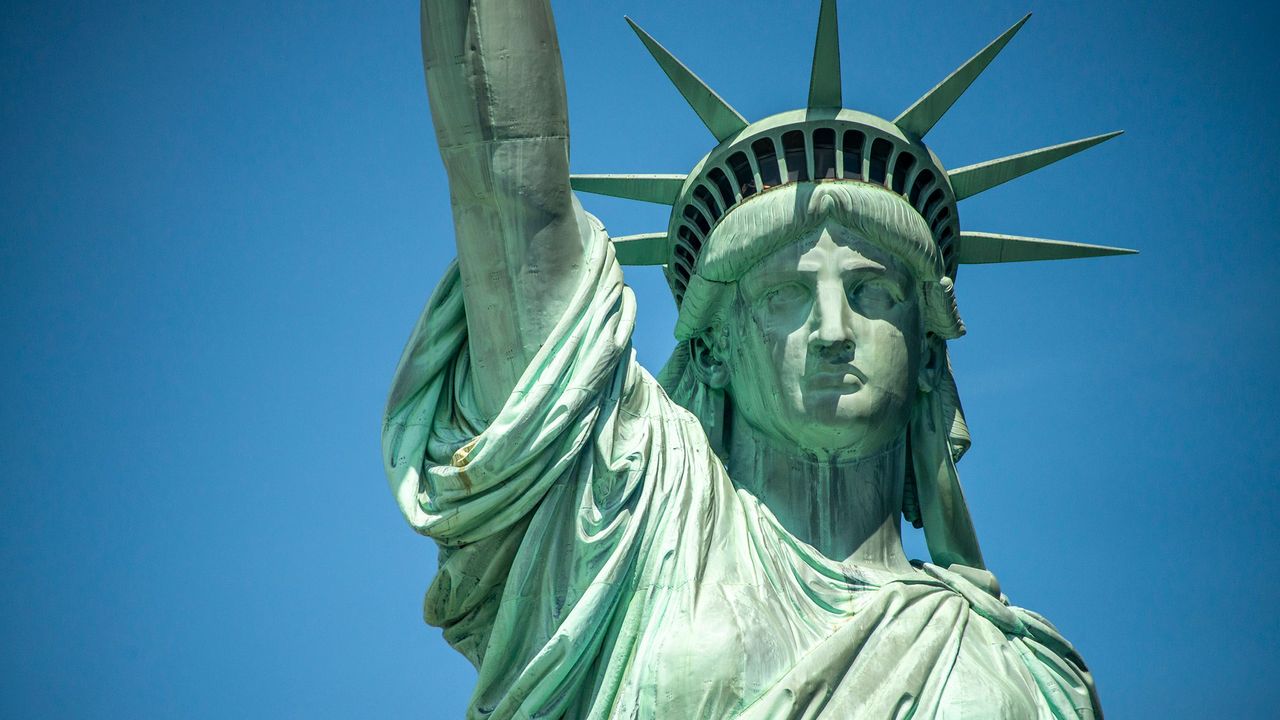
Despite their importance, many visitors never notice the chains at the Statue of Liberty’s feet. This oversight is partly due to the statue’s immense scale and the focus on more visible elements such as the torch and crown. Another reason is the way the statue has been photographed, depicted, and marketed over time. Images often emphasize Liberty’s face and torch while cropping out the lower portion. As a result, shackles the original Statue of Liberty with chains becomes a hidden narrative element. This invisibility has led to simplified interpretations of the statue as merely a welcoming symbol for immigrants. While that meaning is valid, ignoring the chains reduces the depth of the statue’s message and disconnects it from its historical roots in liberation and justice.
Cultural Interpretations Across Time
Interpretations of the Statue of Liberty have evolved as societies and values have changed. In the early twentieth century, the statue became a symbol of immigration and opportunity. During civil rights movements, activists revisited shackles the original Statue of Liberty with chains to highlight ongoing struggles against racial and social inequality. In modern times, artists and scholars reinterpret the chains to address contemporary issues such as mass incarceration, human trafficking, and systemic injustice. These shifting interpretations demonstrate the statue’s enduring relevance. The chains serve as a mirror reflecting society’s current challenges, reminding viewers that the fight for liberty is ongoing. The statue’s symbolism adapts to each generation while maintaining its core message of freedom from oppression.
Table 1: Key Symbolic Elements of the Statue of Liberty
| Element | Symbolic Meaning | Historical Context |
|---|---|---|
| Torch | Enlightenment and guidance | Age of reason and progress |
| Crown | Seven continents and seas | Global freedom |
| Broken Chains | Liberation from oppression | Post-slavery era |
| Tablet | Rule of law | Democratic governance |
Political Debates and Misinterpretations
The presence of chains has sparked debates and misunderstandings over the years. Some critics argue that emphasizing shackles the original Statue of Liberty with chains politicizes the monument, while others believe ignoring them erases historical truth. Misinterpretations often arise when the chains are viewed as a symbol of continued bondage rather than broken oppression. In reality, the chains are open and fractured, clearly indicating release. These debates highlight how symbols can be reinterpreted or contested depending on political climate. The statue becomes a canvas onto which people project their beliefs, fears, and hopes. Understanding the original intent behind the chains helps ground these discussions in historical accuracy rather than emotional reaction.
Modern Artistic Reimaginings
Contemporary artists frequently revisit the Statue of Liberty to comment on present-day issues. Some artworks exaggerate or reframe shackles the original Statue of Liberty with chains to critique social injustice, surveillance, or inequality. These reinterpretations often provoke strong reactions, demonstrating the statue’s emotional power. By altering or emphasizing the chains, artists challenge viewers to reconsider the meaning of freedom in the modern world. Such works do not diminish the original statue but expand its conversation. They reinforce the idea that liberty is dynamic and must be constantly reexamined. Artistic engagement with the chains keeps the symbol alive and relevant, encouraging dialogue rather than complacency.
Educational Importance of the Chains
Teaching about the chains is essential for a complete understanding of the Statue of Liberty. Educational narratives that omit shackles the original Statue of Liberty with chains risk presenting a sanitized version of history. Including this detail allows educators to discuss slavery, emancipation, and the complexity of freedom. It also encourages critical thinking about how monuments convey meaning. When students learn about the chains, they gain a deeper appreciation for the statue as a historical document rather than a static icon. This educational approach fosters awareness of social struggles and emphasizes the importance of remembering past injustices to build a more equitable future.
Table 2: Public Perception Before and After Learning About Chains
| Aspect | Common Perception | Informed Understanding |
|---|---|---|
| Purpose | Welcoming monument | Symbol of liberation |
| Historical Depth | Limited | Rich and complex |
| Emotional Impact | Inspirational | Reflective and powerful |
| Relevance | Past-focused | Ongoing and current |
Global Relevance of the Symbol
Although the Statue of Liberty stands in the United States, its symbolism resonates worldwide. The idea behind shackles the original Statue of Liberty with chains transcends national boundaries. People across the globe identify with the struggle against oppression, whether political, social, or economic. The statue has inspired movements and artworks in many countries, each adapting its symbolism to local contexts. The broken chains speak a universal language of hope and resistance. This global relevance explains why the statue remains one of the most recognized monuments in the world. Its message is not confined to a single historical moment but continues to inspire aspirations for freedom everywhere.
The Chains and Modern Social Justice Conversations
In recent years, social justice movements have renewed interest in the chains at Liberty’s feet. Activists reference shackles the original Statue of Liberty with chains to highlight contradictions between national ideals and lived realities. The chains become a reminder that freedom is incomplete when inequality persists. This perspective does not diminish the statue but challenges society to live up to its ideals. By revisiting the chains, modern discourse reconnects the monument with its original purpose as a call to justice. The statue thus serves as both a symbol of achievement and a benchmark against which progress is measured.
Conclusion
The meaning of shackles the original Statue of Liberty with chains is far deeper than many realize. The chains are not a hidden flaw but a central element that defines the statue’s message. They represent liberation achieved through struggle, reminding viewers that freedom is neither automatic nor permanent. By understanding the historical, artistic, and cultural significance of the chains, we gain a fuller appreciation of the Statue of Liberty as a living symbol. The broken shackles call on each generation to recognize past injustices and continue striving for true liberty. In acknowledging the chains, the statue’s promise of freedom becomes more honest, powerful, and enduring.
Read More:- Why Is Tiger Balm Illegal in Some Countries Explained Clearly
