

Modern businesses rely on fast and reliable communication. Emails, cloud platforms, VoIP calls, and internal collaboration tools all depend on strong digital infrastructure. Behind this infrastructure lies a physical system that quietly supports everything: network cabling.
When companies invest in organized and high-quality cabling, communication becomes smoother and more dependable. Messages move faster. Calls stay clear. Data transfers without interruptions. A well-planned system can reduce downtime and improve productivity across the entire workplace.
Foundations Of Reliable Network Cabling
Network cabling refers to the physical cables and hardware that connect computers, servers, routers, and communication devices within a network. These cables allow data signals to travel between systems quickly and securely.
In simple terms, it acts as the highway that carries digital information across an organization. Without this infrastructure, emails would not send, video calls would freeze, and shared files would move slowly.
Businesses that install structured network cabling create an organized system where every device connects efficiently. This structured layout also makes maintenance easier and reduces technical problems. In the end, a stable communication environment depends heavily on dependable network cabling.
Network Cabling Supporting Clear Voice And Data Communication
Voice communication has evolved dramatically. Many companies now use VoIP systems instead of traditional phone lines. These digital calls travel through the same network infrastructure used for data.
High-quality network cabling ensures that voice signals remain clear and uninterrupted. Poor cabling, on the other hand, can cause call drops, delays, or distorted sound.
Reliable cabling also allows businesses to handle large volumes of data at once. Teams can upload files, run cloud applications, and hold meetings simultaneously without slowing down the system. For organizations that depend on daily communication, strong network cabling becomes the backbone of smooth operations.
Structured Network Cabling Improving Workplace Efficiency
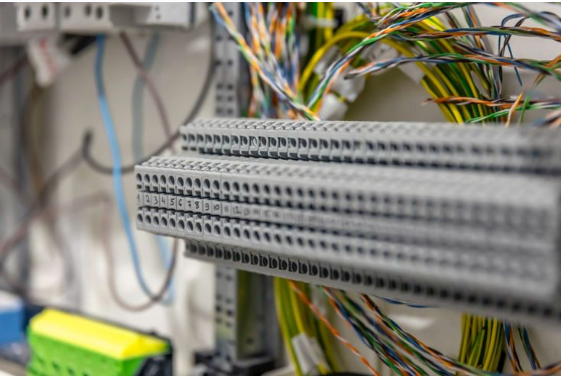
An organized communication system saves time and prevents confusion. Structured network cabling groups cables into planned layouts using panels, racks, and labeled connections.
This structure simplifies troubleshooting. When a problem appears, technicians can quickly identify the source instead of searching through tangled wires. The result is less downtime and faster repairs.
Employees also benefit from consistent connectivity. Stable internet access allows staff to communicate with clients, share documents, and collaborate on projects without technical interruptions. Businesses that implement structured network cabling often experience noticeable improvements in daily efficiency.
Scalable Network Cabling For Growing Businesses
Business technology never stands still. New devices, cloud services, and communication platforms appear every year. Companies must ensure their infrastructure can handle expansion.
Scalable network cabling allows organizations to add new workstations, servers, and communication tools without rebuilding the entire system. Additional cables and ports can be integrated into the existing structure with minimal disruption.
This flexibility becomes especially important for growing companies. As teams expand and digital workloads increase, a scalable cabling system keeps communication systems running smoothly. Well-planned network cabling supports both present operations and future growth.
Security And Stability In Business Communication Networks
Security is another advantage of a strong physical network infrastructure. Organized cabling reduces the chances of accidental disconnections or unauthorized modifications.
Businesses can also separate different types of network traffic using structured cable pathways. For example, sensitive financial data can travel through dedicated connections while general office traffic moves through another channel.
Conclusion
Strong communication systems depend on more than software and devices. They rely on a stable physical infrastructure that connects everything together.
Network cabling provides that foundation. It supports clear voice calls, fast data transfers, and efficient collaboration between employees. When designed properly, it also allows businesses to scale their operations and maintain reliable performance.
