

Industrial development plays a significant role in economic growth, but increasing production demands also bring challenges related to energy consumption, operating costs, and waste management. Businesses across manufacturing, food processing, textiles, pharmaceuticals, and chemical industries are increasingly exploring technologies that improve operational efficiency while reducing environmental impact.
Two important technologies supporting this transition are energy-efficient industrial boilers and waste-to-energy systems. By adopting modern thermal engineering solutions and converting organic waste into useful energy, industries can improve resource utilization and move towards more sustainable operations.
Understanding the Importance of Industrial Boilers
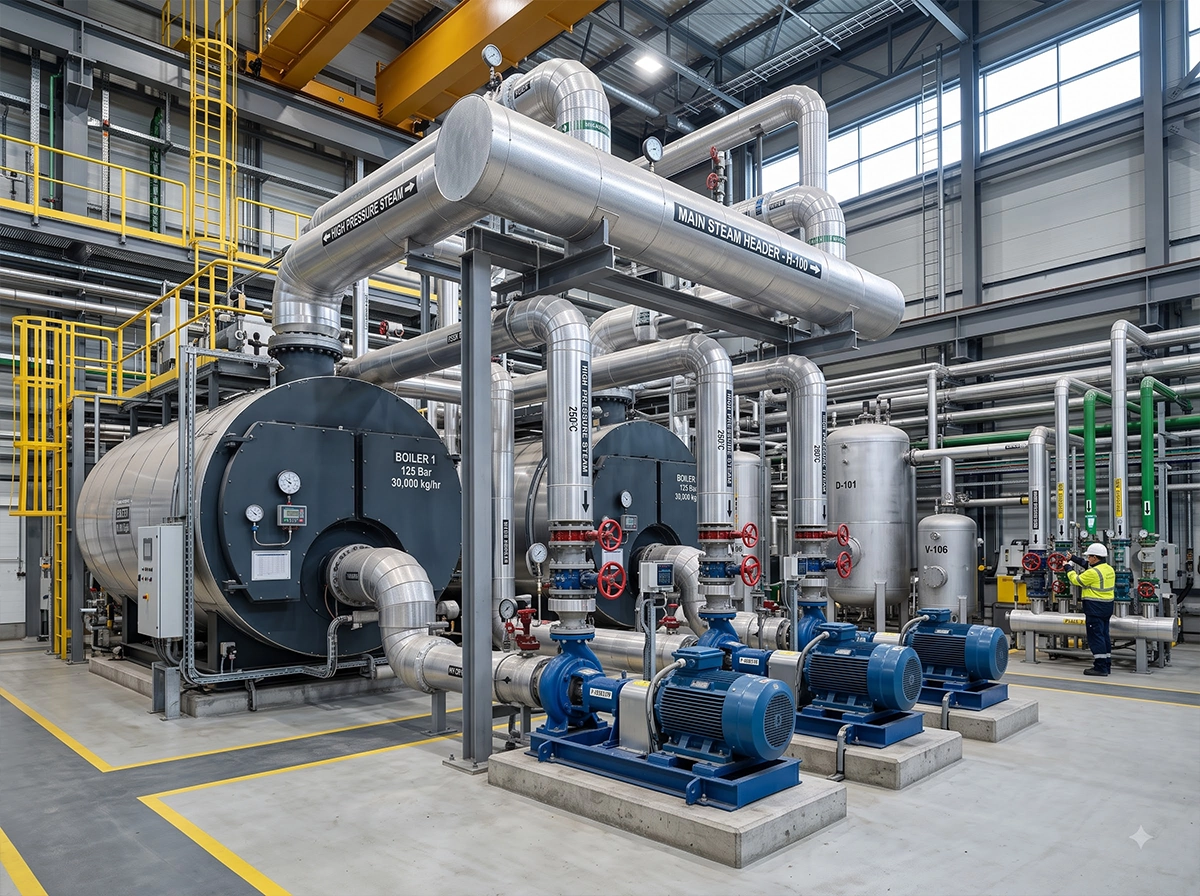
Industrial boilers are essential equipment used to generate steam for manufacturing and processing applications. Steam supports several industrial operations, including heating, drying, sterilization, cooking, and power generation.
Different industries require different boiler capacities, operating pressures, and fuel configurations. Therefore, selecting a boiler that matches specific production requirements is important for maintaining efficiency and controlling operating expenses.
Modern industrial boilers are designed with improved combustion systems, heat recovery mechanisms, and automated controls. These features help optimize fuel consumption, maintain consistent steam generation, and improve equipment reliability.
Factors to Consider When Selecting an Industrial Boiler
Choosing an appropriate industrial boiler involves evaluating several technical and operational factors.
1. Production and Steam Requirements
Businesses should assess their actual steam consumption, peak demand, and required operating pressure. Selecting the correct capacity ensures that the boiler can support production requirements without unnecessary energy consumption.
2. Fuel Efficiency
Fuel expenses contribute significantly to the overall operating cost of an industrial boiler. Evaluating fuel availability, combustion efficiency, and energy recovery options helps businesses select a cost-effective solution.
3. Maintenance and Safety
Regular inspection, water treatment, pressure monitoring, and preventive maintenance are essential for safe boiler operation. Industries should also consider the availability of technical support and spare parts.
4. Environmental Performance
Modern boiler systems can incorporate emission control equipment, efficient combustion technologies, and waste heat recovery solutions to improve environmental performance.
Why Manufacturing Industries Need Reliable Boiler Solutions
Manufacturing hubs require dependable thermal energy systems to maintain uninterrupted production. Industrial centers such as Coimbatore have a diverse manufacturing base, including textile processing, engineering, food production, and other industrial activities.
Businesses evaluating boiler manufacturers in Coimbatore should consider engineering capabilities, product quality, customization options, installation support, and long-term maintenance services.
A suitable boiler solution should be designed around the industry’s steam requirements, fuel preferences, available infrastructure, and production processes. Working with an experienced manufacturer can help businesses identify equipment that supports operational efficiency and consistent performance.
Converting Food Waste into Renewable Energy
While energy efficiency is important in manufacturing, waste management is another major concern, particularly for food processing industries, hotels, commercial kitchens, and agricultural businesses.
Food waste contains biodegradable organic matter that can be processed through anaerobic digestion to produce biogas. This process takes place in an oxygen-free environment, where microorganisms break down organic materials and release methane-rich biogas.
The biogas can be purified to produce biomethane, which can be used as a renewable energy source in suitable applications.
How Does the Food Waste-to-Biomethane Process Work?
The conversion process generally involves the following stages:
- Waste Collection and Segregation: Organic food waste is collected and separated from plastics, metals, and other non-biodegradable materials.
- Pre-Treatment: The waste is processed to achieve a suitable particle size and consistency for digestion.
- Anaerobic Digestion: Organic material enters an anaerobic digester, where microorganisms break it down in the absence of oxygen.
- Biogas Production: The digestion process generates biogas containing methane, carbon dioxide, and trace impurities.
- Biogas Upgrading: Carbon dioxide, moisture, hydrogen sulphide, and other impurities are removed to improve methane concentration and produce biomethane.
- Utilisation: The purified biomethane can be used as a renewable fuel, depending on quality specifications and applicable regulations.
Businesses exploring food waste to biomethane solutions can convert biodegradable waste into a valuable energy resource while improving waste management practices.
Benefits of Integrating Sustainable Energy Technologies
Combining efficient industrial equipment with renewable energy solutions offers several advantages.
Reduced Energy Costs
Efficient boiler systems help optimize fuel consumption, while biomethane production can provide an alternative energy source for suitable industrial applications.
Better Waste Management
Food processing facilities can reduce the volume of organic waste requiring disposal by converting biodegradable materials into useful energy.
Improved Resource Utilization
Waste heat recovery and anaerobic digestion support better utilization of available resources and help reduce energy wastage.
Environmental Benefits
Appropriately designed systems can reduce dependence on conventional fuels and improve organic waste management. Actual environmental benefits depend on system efficiency, feedstock quality, and operating conditions.
The Future of Sustainable Industrial Energy
Industrial sustainability is increasingly influenced by automation, energy monitoring, renewable fuels, and resource recovery technologies. Businesses are investing in modern equipment that supports better energy management without compromising production quality.
Industrial boilers will continue to play an important role in manufacturing, while biomethane production offers additional opportunities for businesses generating significant quantities of organic waste.
By evaluating these technologies together, industries can develop practical strategies for improving efficiency, managing waste, and supporting long-term operational sustainability.
Conclusion
Sustainable industrial growth requires more than increasing production capacity. Businesses must also focus on energy efficiency, responsible waste management, and effective resource utilization.
Investing in reliable industrial boiler systems and exploring food waste-to-biomethane technology can help industries address these requirements. With the right engineering solutions and operational planning, manufacturers can improve productivity while moving towards more sustainable industrial practices.
