

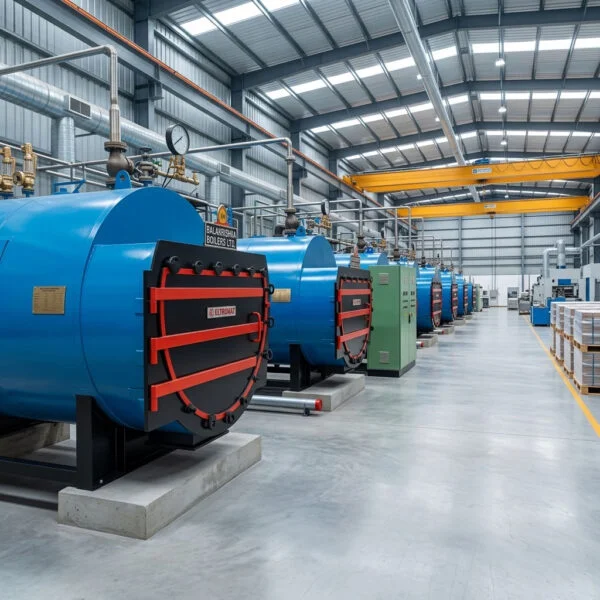
Industrial boilers play a vital role in manufacturing, food processing, pharmaceuticals, textiles, chemicals, and several other industries. From generating steam for production processes to supporting heating applications, the right boiler system directly influences operational efficiency, energy consumption, and overall productivity.
However, selecting an industrial boiler requires careful consideration of several factors, including steam requirements, fuel availability, operating pressure, energy efficiency, and maintenance requirements. Understanding these factors can help businesses make informed decisions and invest in reliable boiler systems.
Understanding the Importance of Industrial Boilers
Industrial boilers are designed to generate steam or hot water by transferring heat produced through fuel combustion or other energy sources. The generated steam is used for various industrial applications, including equipment heating, sterilization, power generation, and manufacturing processes.
Different industries have different steam requirements. For example, food processing facilities require steam for cooking, cleaning, and sterilization, while chemical manufacturing plants use steam for heating and processing raw materials.
Choosing the right boiler ensures consistent steam supply, reduces unnecessary energy consumption, and supports uninterrupted industrial operations.
Key Factors to Consider When Selecting an Industrial Boiler
Before investing in an industrial boiler, businesses should evaluate their operational requirements and long-term production goals.
1. Steam Capacity and Operating Pressure
Steam capacity is one of the most important considerations when selecting a boiler. Businesses should calculate their peak steam demand rather than relying only on average consumption.
The boiler should provide sufficient steam capacity to support production requirements without excessive fuel consumption. Operating pressure must also match the requirements of the industrial application.
2. Fuel Availability and Operating Costs
Fuel selection significantly affects boiler operating expenses. Common industrial boiler fuels include coal, natural gas, furnace oil, biomass, and other suitable energy sources.
Businesses should evaluate local fuel availability, transportation costs, combustion efficiency, and environmental regulations before selecting a boiler.
3. Energy Efficiency and Heat Recovery
An energy-efficient boiler helps reduce fuel consumption and operational costs. Features such as economizers, efficient combustion systems, and advanced insulation can improve overall thermal performance.
Heat recovery systems can also capture waste heat from flue gases and use it to preheat boiler feedwater, improving fuel utilization.
4. Maintenance and Operational Reliability
Regular maintenance is essential for ensuring safe and consistent boiler performance. Businesses should consider equipment accessibility, availability of spare parts, inspection requirements, and technical support when selecting a manufacturer.
A well-designed boiler system can minimize unexpected downtime and improve long-term operational reliability.
Different Types of Industrial Boilers
Industrial boilers are available in different configurations to suit specific operating conditions.
Fire Tube Boilers: These boilers allow hot combustion gases to pass through tubes surrounded by water. They are commonly used in applications requiring moderate steam capacity and pressure.
Water Tube Boilers: In water tube boilers, water circulates through tubes while hot gases flow around them. They are suitable for applications requiring higher steam capacities and operating pressures.
Biomass Boilers: These systems use renewable organic materials such as wood chips, agricultural residues, and biomass pellets as fuel.
Electric Boilers: Electric boilers generate steam using electrical energy and are suitable for applications where electricity is readily available and emissions at the point of use need to be minimized.
The selection depends on production requirements, available infrastructure, fuel costs, and operating conditions.
Why Choosing the Right Boiler Manufacturer Matters
Selecting an experienced boiler manufacturer is just as important as choosing the right boiler technology. A reliable manufacturer understands industrial requirements and provides equipment designed to meet specific operational needs.
Businesses evaluating Steam Boiler Manufacturers in India should consider manufacturing capabilities, engineering expertise, quality standards, customization options, and after-sales support.
It is also important to assess the manufacturer’s experience in supplying boilers for different industrial applications. Proper installation guidance, commissioning assistance, and maintenance support contribute to the long-term performance of the equipment.
Industries That Depend on Industrial Steam Boilers
Industrial steam boilers support a wide range of manufacturing and processing activities.
- Food and Beverage: Steam is used for cooking, pasteurization, cleaning, and sterilization.
- Pharmaceuticals: Boilers provide steam for sterilization, processing, and controlled heating applications.
- Textiles: Steam supports dyeing, drying, finishing, and fabric processing.
- Chemical Industries: Steam is required for chemical reactions, heating, and distillation processes.
- Paper and Pulp: Boilers supply steam for pulping, drying, and other production operations.
Each industry requires a boiler configuration that matches its specific steam demand and process conditions.
The Future of Industrial Boiler Technology
Industrial boiler technology is evolving towards improved energy efficiency, automation, and sustainable fuel utilization. Modern systems increasingly incorporate intelligent monitoring, automated combustion controls, and heat recovery technologies.
Manufacturers are also exploring alternative fuels and biomass-based solutions to reduce dependence on conventional fossil fuels.
These developments help industries improve energy management while maintaining reliable production processes.
Conclusion
Choosing the right industrial boiler is an important investment that influences productivity, energy efficiency, and operational costs. Businesses should carefully evaluate steam capacity, operating pressure, fuel requirements, maintenance needs, and manufacturer expertise before making a decision.
Working with established Boiler manufacturers in India can help industries identify suitable boiler solutions, access reliable engineering support, and achieve consistent performance across their operations.
Investing in the right boiler technology today can contribute to improved industrial efficiency, reduced operating expenses, and sustainable long-term growth.
